Outdoor Skills & Safety | BY Elie Abi Akar | PUBLISH DATE: February 12 2025 | READ TIME: 3 mins | UPDATED DATE: May 14 2026
Do You Lose Weight on Kilimanjaro?
Climbing Mount Kilimanjaro is a challenge that tests your endurance, mental resilience, and physical limits. As one of the most popular high-altitude treks in the world, many climbers wonder: Do you lose weight on Kilimanjaro? The short answer—yes, most people do. But it’s not as simple as just shedding pounds. Let’s break it down. Kilimanjaro […]
Climbing Mount Kilimanjaro is a challenge that tests your endurance, mental resilience, and physical limits. As one of the most popular high-altitude treks in the world, many climbers wonder: Do you lose weight on Kilimanjaro? The short answer—yes, most people do. But it’s not as simple as just shedding pounds. Let’s break it down.
Kilimanjaro Weight Loss – Calories In vs. Calories Out
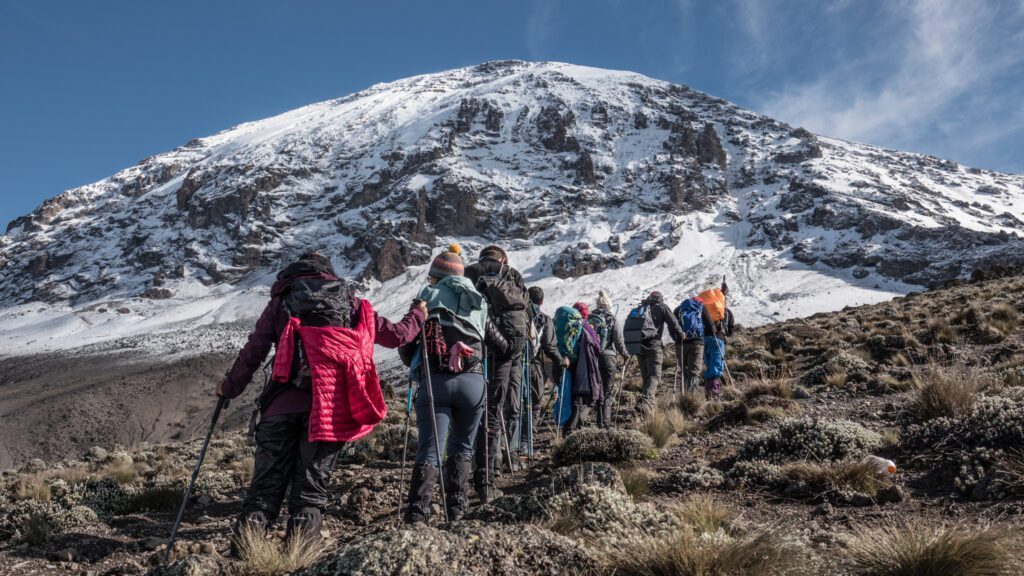
Climbing Kilimanjaro is a multi-day trek that demands a significant amount of energy. You’ll be hiking between 4 to 12 hours per day, often at high altitude, where your body burns more calories just to maintain basic functions. The average trekker burns between 3,000 and 6,000 calories per day, depending on pace, altitude, and individual metabolism.
Meanwhile, food on the mountain is well-planned but limited by logistical constraints. Porters and guides prepare nutrient-dense meals—carbohydrates for energy, proteins for muscle repair, and fats for sustained fuel—but even with hearty portions, many trekkers struggle to eat enough to compensate for their calorie expenditure.
Kilimanjaro Weight Loss – Altitude and Appetite Suppression
One of the biggest contributors to weight loss on Kilimanjaro is altitude itself. As you ascend, your body undergoes physiological changes to adapt to lower oxygen levels. One common side effect? Loss of appetite. Many trekkers find it difficult to eat full meals, especially above 4,000 meters (13,000 feet). When you’re not consuming enough food to match your energy output, your body starts burning fat and muscle for fuel.
Kilimanjaro Weight Loss – Water Weight and Dehydration
Hydration is critical at altitude, but despite best efforts, dehydration is common. Your body loses more fluids through increased respiration and perspiration, and if you’re not drinking enough water, you may drop a few pounds in water weight. This can make initial weight loss appear more dramatic but is quickly regained once you rehydrate post-trek.
Kilimanjaro Weight Loss – Muscle vs. Fat Loss
While it’s true that you’ll burn a lot of calories, the weight you lose isn’t necessarily just fat. Trekking for long hours depletes glycogen stores in your muscles, leading to some muscle breakdown. Without proper protein intake and recovery time, muscle mass can decrease slightly, especially for those who don’t normally engage in endurance activities.

Kilimanjaro Weight Loss – Post-Trek Rebound
After descending, many trekkers experience a mix of relief and a ravenous appetite. Your body, having been in a calorie deficit for several days, craves replenishment. It’s not uncommon to gain some of the lost weight back quickly as you rehydrate and refuel.
Final Thoughts: Weight Loss as a Byproduct, Not a Goal
While you may lose anywhere from 2 to 10 pounds during your Kilimanjaro trek, you can also gain that back very quickly as soon as you arrive back home and begin to refuel and rehydrate. What is more important to consider, though, is that you continue to eat enough while on the mountain. After all, it’s a cheat day every day on Kilimanjaro!
CONTINUE YOUR RESEARCH







ABOUT THE AUTHOR

Elie Abi Akar