Outdoor Skills & Safety | BY Rami Rasamny | PUBLISH DATE: November 07 2025 | READ TIME: 4 mins | UPDATED DATE: May 14 2026
Is Annapurna Base Camp Hard?

The Annapurna Base Camp trek is one of Nepal’s most iconic journeys. It winds through terraced villages, lush forests, and high mountain valleys before opening up to one of the most awe-inspiring amphitheatres of peaks on Earth. But many first-time trekkers wonder: is Annapurna Base Camp hard? The short answer is that it is challenging […]
The Annapurna Base Camp trek is one of Nepal’s most iconic journeys. It winds through terraced villages, lush forests, and high mountain valleys before opening up to one of the most awe-inspiring amphitheatres of peaks on Earth. But many first-time trekkers wonder: is Annapurna Base Camp hard?
The short answer is that it is challenging but entirely achievable with the right preparation, pace, and guidance. For a complete breakdown of route, duration, altitude, accommodation, training, and the most efficient way to do the trek, read our Annapurna Base Camp trek guide for first timers.
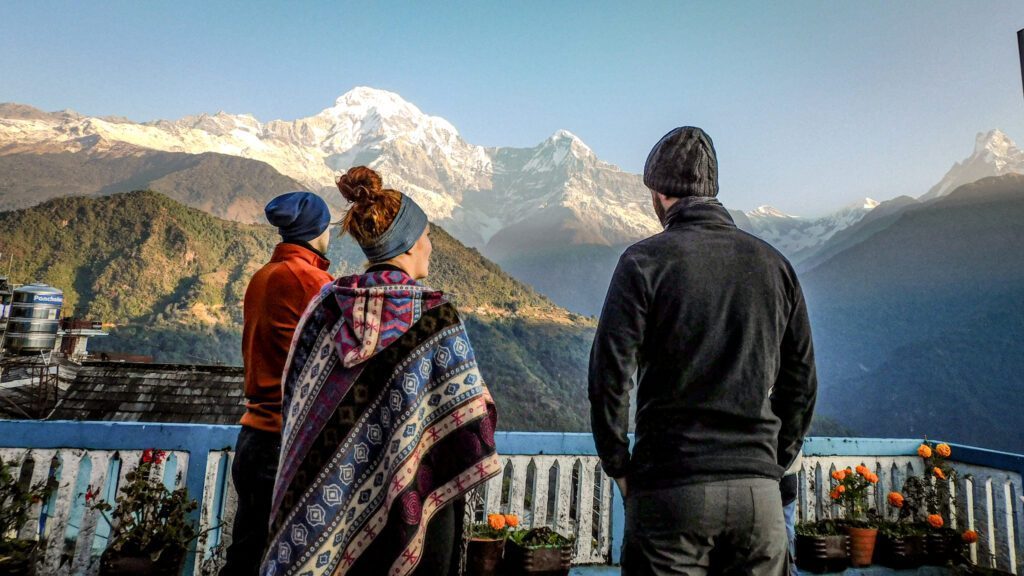
How Hard Is the Annapurna Base Camp Trek
At Life Happens Outdoors, we rank the Annapurna Base Camp trekking experience as moderately challenging. To enjoy this adventure, you should focus your fitness program on building hiking endurance through leg strength and cardiovascular training.
The main challenges of the Annapurna Trek come from steep ascents and descents and long-distance walking while carrying a light backpack that should not exceed five kilograms. Stair climbing is one of the best ways to prepare for this adventure as the route is full of steps both on the way up and down.
You should dedicate at least one day a week to specifically training for this experience.

The Main Challenges of the Annapurna Base Camp Trek
Endless Stairs Up and Down
One of the defining features of the ABC trek is the sheer number of stone steps. They rise through villages like Ulleri and Chomrong, descend into valleys, and climb again toward the next ridge. These continuous steps are what make the Annapurna Base Camp trek physically demanding. The challenge is less about altitude or technical terrain and more about endurance. Even the descents can be tiring on the knees and joints after long days on the trail.
Sudden Altitude Gain
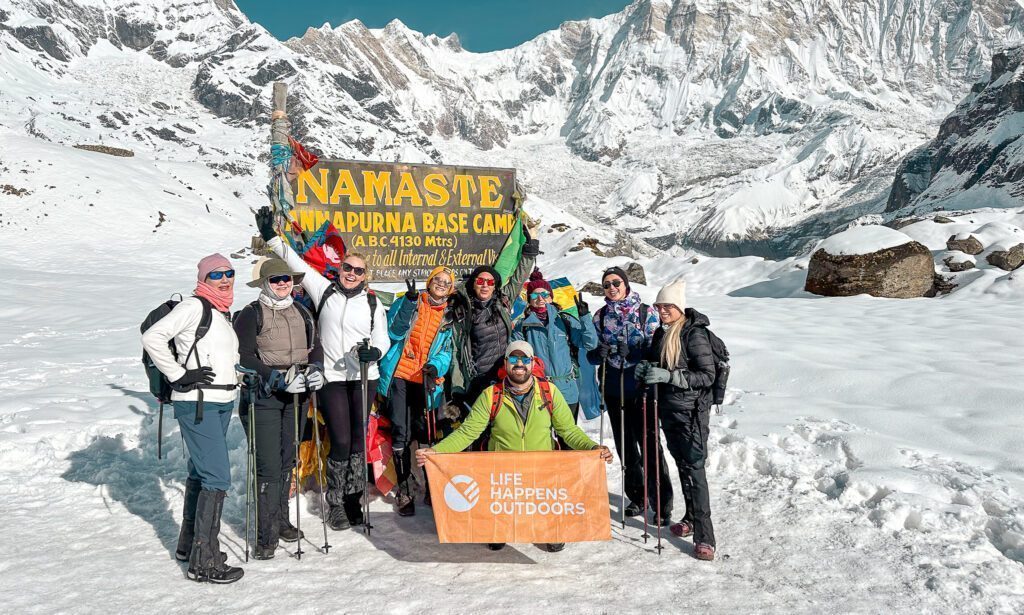
For most of the journey, the route stays comfortably between two thousand and three thousand meters above sea level. The real test comes on the final ascent from Deurali to Annapurna Base Camp where trekkers gain over one thousand meters in a single day, reaching four thousand one hundred and fifty meters. This sudden jump in altitude can lead to fatigue or mild symptoms of altitude sickness if not managed carefully.
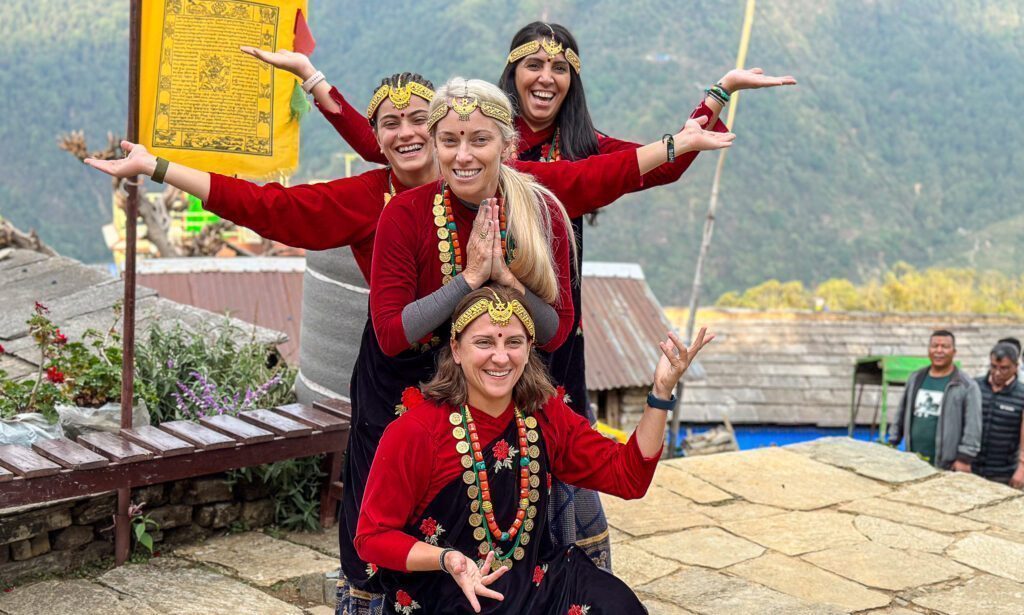
How Life Happens Outdoors Mitigates These Challenges
At Life Happens Outdoors, every expedition is designed with precision to balance challenge, safety, and transformation. Our approach allows you to focus on the experience while we take care of the details that matter most.
Slow and Steady Ascent
Our itineraries are structured around gradual progress. We encourage a calm and consistent pace that gives the body time to adapt to altitude and helps prevent fatigue. This rhythm also allows trekkers to fully enjoy the views, the local culture, and the sense of connection that comes from walking through the heart of the Himalayas.
Proper Use of Trekking Poles
Our team leaders are insistent on the correct use of trekking poles. When used properly, poles relieve strain from the knees and distribute effort evenly across the body. This makes a remarkable difference during long descents and while tackling the countless steps that characterize the Annapurna Base Camp trekking route.
Strategic Sleep Locations
We choose our overnight stops strategically to balance acclimatization, comfort, and rest. Quality sleep is essential to both performance and recovery, so we stay in places that protect sleep quality and offer a gradual exposure to altitude.
Nutrition That Supports the Climb
We pay close attention to nutrition on every Life Happens Outdoors trip. Our team leaders recommend what to eat at each meal and what to avoid, ensuring that every joiner gets the right mix of carbohydrates, proteins, and hydration suited to the day’s challenge.
We also avoid foods that can cause digestive issues. After Chomrong, for example, we refrain from eating meat, as slaughter is prohibited and proper cold storage is not maintained. This approach helps safeguard health and energy throughout the trek.
The Bottom Line
So, is Annapurna Base Camp hard? It requires effort, endurance, and a willingness to embrace the climb, but it is within reach for anyone ready to take the journey seriously.
With our slow and steady approach, thoughtful acclimatization, and focus on health and comfort, Life Happens Outdoors turns challenge into achievement and adventure into transformation.
Because reaching Annapurna Base Camp is not just about getting there, it is about coming back different.
Planning a trip to Nepal? Explore our complete Nepal guide covering treks, climbs, and everything you need to know.
CONTINUE YOUR RESEARCH







ABOUT THE AUTHOR

Rami Rasamny
Rami Rasamny is the founder of Life Happens Outdoors, a premium adventure travel company that uses the outdoors as a catalyst for human transformation. His work brings people into the mountains not only for challenge, but for clarity, confidence, and connection. He believes that when people answer the call to adventure truthfully, they come back different.