Mountains & Peaks | BY Elie Abi Akar | PUBLISH DATE: March 26 2025 | READ TIME: 2 mins | UPDATED DATE: May 14 2026
Is Kilimanjaro the Easiest of the Seven Summits?
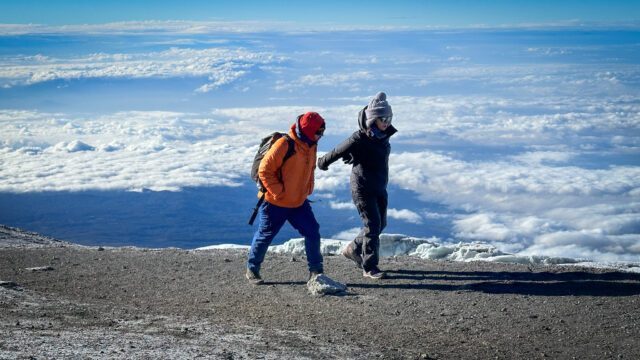
Mount Kilimanjaro, standing at 5,895 meters (19,341 feet), is Africa’s tallest peak and a coveted destination for trekkers worldwide. As one of the Seven Summits—the highest mountains on each continent—Kilimanjaro is often considered the most accessible. But does this make it the easiest? Let’s delve into what makes Kilimanjaro unique among its lofty counterparts. Non-Technical […]
Mount Kilimanjaro, standing at 5,895 meters (19,341 feet), is Africa’s tallest peak and a coveted destination for trekkers worldwide. As one of the Seven Summits—the highest mountains on each continent—Kilimanjaro is often considered the most accessible. But does this make it the easiest? Let’s delve into what makes Kilimanjaro unique among its lofty counterparts.
Non-Technical Ascent
Unlike many of the Seven Summits, Kilimanjaro requires no technical climbing skills. Trekkers can reach the summit without the use of ropes, harnesses, or specialised equipment. This “walk-up” nature allows individuals with good fitness levels to undertake the climb, even without prior mountaineering experience.
Physical Demands and Altitude Challenges
While the paths may be straightforward, the trek is physically demanding. The primary challenge is the altitude. Ascending to nearly 6,000 meters means significantly reduced oxygen levels, which can lead to altitude sickness. Proper acclimatisation is crucial, and the success rates vary across different routes. For instance, the Marangu route, known for its shorter duration, has a lower success rate due to inadequate acclimatisation time.
Comparing with Other Seven Summits
When juxtaposed with its counterparts, Kilimanjaro’s accessibility becomes evident. Mount Everest demands extensive technical climbing and poses severe risks. Denali in North America is notorious for its harsh weather and requires climbers to haul heavy loads. Aconcagua, though not technical, has extreme weather conditions that can be perilous. In contrast, Kilimanjaro’s favourable climate and non-technical routes make it a more approachable endeavour.
Success Rates and Misconceptions
Despite its reputation, Kilimanjaro doesn’t guarantee an easy summit. Success rates vary, influenced by factors like route choice, acclimatisation, and individual preparation. Many underestimate the mountain, leading to unsuccessful attempts.
Conclusion
Labelling Kilimanjaro as the “easiest” of the Seven Summits can be misleading. While it offers a non-technical ascent and is more accessible than peaks like Everest or Denali, it still presents significant challenges, primarily due to its altitude. Proper preparation, respect for the mountain, and an understanding of its demands are essential for a successful and safe ascent.
CONTINUE YOUR RESEARCH







ABOUT THE AUTHOR

Elie Abi Akar