Trip Planning for Treks & Climbs | BY Rami Rasamny | PUBLISH DATE: August 27 2024 | READ TIME: 4 mins | UPDATED DATE: May 14 2026
When is the Trekking Season in Nepal?
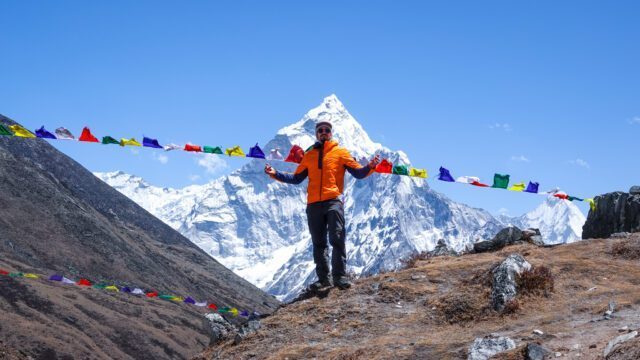
Nepal, home to the majestic Himalayas, is a trekking paradise that attracts adventurers from all over the world. The country offers a variety of trekking routes, each with unique challenges and breathtaking landscapes. However, choosing the right time to trek in Nepal is crucial to ensure a safe and enjoyable experience. This article outlines the […]
Nepal, home to the majestic Himalayas, is a trekking paradise that attracts adventurers from all over the world. The country offers a variety of trekking routes, each with unique challenges and breathtaking landscapes. However, choosing the right time to trek in Nepal is crucial to ensure a safe and enjoyable experience. This article outlines the primary trekking seasons in Nepal and what trekkers can expect during each period.
Primary Trekking Seasons
Spring (March to May)
Spring is one of the most popular trekking seasons in Nepal, and for good reason. The weather is generally mild, and the skies are clear, offering stunning views of the Himalayan peaks.
Weather and Conditions:
- Temperature: Moderate temperatures, ranging from 16°C to 23°C (61°F to 73°F) in the lower altitudes and cooler at higher elevations.
- Visibility: Excellent visibility with clear skies, making it perfect for panoramic mountain views.
- Flora: This season is marked by blooming rhododendrons and other wildflowers, adding vibrant colors to the landscape.
Popular Routes:
- Everest Base Camp Trek: Ideal for those wanting to get close to the world’s highest peak.
- Annapurna Circuit: Offers diverse landscapes and cultural experiences.
- Annapurna Base Camp Trek: Offers stunning views of Annapurna and Machapuchare.
Autumn (September to November)
Autumn is arguably the best season for trekking in Nepal. The monsoon rains have cleared the dust and pollution from the air, resulting in crisp, clear skies and moderate temperatures.
Weather and Conditions:
- Temperature: Comfortable temperatures, ranging from 10°C to 20°C (50°F to 68°F) in the lower regions and colder in higher altitudes.
- Visibility: Crystal-clear views of the mountains and landscapes.
- Stability: Stable weather conditions with minimal rainfall and dry trails.
Popular Routes:
- Manaslu Circuit Trek: Known for its remote and off-the-beaten-path experience.
- Everest Base Camp Trek: Highly popular due to the clear weather and excellent visibility.
- Annapurna Base Camp Trek: Offers stunning views of Annapurna and Machapuchare.
Secondary Trekking Seasons
Winter (December to February)
Winter trekking in Nepal is less popular due to the cold weather, especially at higher altitudes. However, it can be a rewarding experience for those prepared to face the chilly conditions.
Weather and Conditions:
- Temperature: Cold temperatures, often dropping below freezing at higher altitudes.
- Visibility: Generally clear skies, although some regions may experience snowfall.
- Trails: Fewer crowds and serene landscapes covered in snow.
Popular Routes:
- Ghorepani Poon Hill Trek: Lower altitude trek with stunning sunrise views.
- Kathmandu Valley Trek: Offers cultural experiences and moderate trekking conditions.
- Lower Everest Region: Suitable for those who prefer lower altitudes.
Monsoon (June to August)
The monsoon season is the least favorable time for trekking in Nepal due to heavy rainfall, which can cause landslides and slippery trails. However, certain regions in the rain shadow areas, such as Mustang and Dolpo, are suitable for trekking even during this season.
Weather and Conditions:
- Temperature: Warm temperatures with high humidity.
- Visibility: Frequent cloud cover and rain, reducing visibility.
- Trails: Muddy and slippery trails, with a higher risk of leeches and insects.
Popular Routes:
- Upper Mustang Trek: Located in the rain shadow of the Himalayas, offering dry and arid conditions.
- Dolpo Region Trek: Another rain shadow area with unique landscapes and cultural experiences.
Conclusion
Choosing the right trekking season in Nepal depends on your preferences and tolerance for weather conditions. For the best experience, consider trekking during the spring or autumn seasons, when the weather is most favorable and the views are unparalleled. However, if you prefer fewer crowds and are prepared for the cold, winter trekking can also be a unique and rewarding experience. For those looking to explore less common routes, the monsoon season offers opportunities in rain shadow areas like Mustang and Dolpo. No matter when you choose to trek, Nepal’s breathtaking landscapes and cultural richness will undoubtedly leave a lasting impression.
Planning a trip to Nepal? Explore our complete Nepal guide covering treks, climbs, and everything you need to know.
CONTINUE YOUR RESEARCH







ABOUT THE AUTHOR

Rami Rasamny
Rami Rasamny is the founder of Life Happens Outdoors, a premium adventure travel company that uses the outdoors as a catalyst for human transformation. His work brings people into the mountains not only for challenge, but for clarity, confidence, and connection. He believes that when people answer the call to adventure truthfully, they come back different.